Welcome to Harris County Municipal Utility District No. 71
Latest News
How to Find Small Water Leaks Before They Increase Your Bill
HCMUD 0712026-10-21T11:28:47-05:00October 21, 2026|
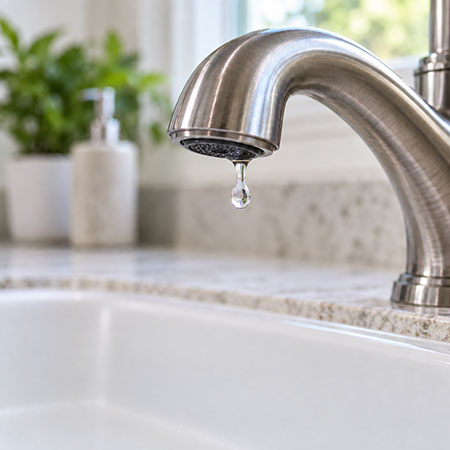 A dripping faucet or slowly running toilet may not seem urgent, but even a small leak can continue around the clock and add unnecessary water use to a household’s monthly bill. Some leaks are easy to see, while others remain hidden inside toilet tanks, cabinets, irrigation systems, or appliance connections. Regular inspections and smart- meter monitoring can help identify problems before they become more costly.
HCMUD 71 customers can use the EyeOnWater website portal and mobile app to review daily and hourly water use and sign up for automated leak alerts. To register, visit www.eyeonwater.com/signup and enter the service address ZIP code and water account number exactly as they appear on your water bill.
One useful way to check for a possible leak is to review water use during a period when no water should have been running. Late-night or early-morning readings may be helpful if no one was using faucets, toilets, appliances, irrigation, or other water-using equipment at that time. Repeated water use during otherwise inactive periods may indicate a leak or continuously running fixture. However, automatic irrigation, pool fillers, water softeners, ice makers, and other programmed equipment should be considered before assuming that overnight usage is a leak.
Toilets are a common source of water loss, and a toilet can leak without making much noise. Listen for a toilet that refills periodically when it has not recently been flushed. Homeowners can also place a few drops of non-gel food coloring in the toilet tank and wait about 10 minutes without flushing. If color appears in the bowl, the flapper or flush- valve seal may not be closing properly. Flush immediately after completing the test to help prevent staining.
Faucets and showerheads should be checked for drips after they are turned off completely. Look beneath sinks for moisture around supply lines, shutoff valves, drains, and cabinet flooring. Mineral deposits, corrosion, discoloration, or a musty odor can also indicate a slow leak that is not immediately visible.
Other locations to inspect include:
- Outdoor faucets and hose connections
- Washing-machine supply hoses
- Dishwasher and refrigerator water connections
- Water heaters and nearby drain pans
- Water softeners and filtration equipment
- Pool equipment and automatic pool fillers
- Irrigation valves, sprinkler heads, and underground lines
Outdoor leaks may appear as persistently wet soil, pooling water, unusually green patches of grass, or water running across a sidewalk when the irrigation system is off. During an irrigation cycle, watch for broken sprinkler heads, leaking valves, uneven spray, and water collecting around equipment boxes.
Finding unusual water use does not always identify its source. If EyeOnWater shows continuous use, begin by turning off or pausing automatic equipment and checking toilets and visible plumbing connections. If a leak is causing damage or significant water loss, close the home’s main shutoff valve, usually located on one side of the house or in the garage, until repairs can be made. A licensed plumber, licensed irrigator, or pool contractor may be needed if the source cannot be located or repaired safely.
If water is surfacing near the street or meter box, or if it is unclear whether a leak involves District facilities, contact the District’s operator, Regional Water Corporation, at (281) 897-9100 for assistance in determining whether the leak is on the District’s side of the meter before arranging for repairs. Residents should not operate or tamper with the District’s meter valve. The meter and associated valve are intended for District use, and tampering with either constitutes a violation of the District’s Amended Rate Order and may result in damage and additional charges or other penalties.
A brief inspection of household fixtures and regular review of smart-meter information can help uncover leaks that might otherwise continue unnoticed. Additional leak- detection guidance is available through the EPA’s WaterSense home-maintenance resources. In the event you discover and repair a leak that resulted in higher than expected water usage, you also may want to consult the District’s leak adjustment policy on the District’s website to see if you could qualify for a leak adjustment credit.
Woodring Park Splash Pad Closed for the Season
HCMUD 0712026-10-15T15:18:43-05:00October 15, 2026|
The Woodring Park Splash Pad is closed for the season and is scheduled to reopen for weekend operation in April 2027. Woodring Park remains open daily from sunrise to sunset.